Influencer Content and Music Licensing: The Brand Liability No One Talks About
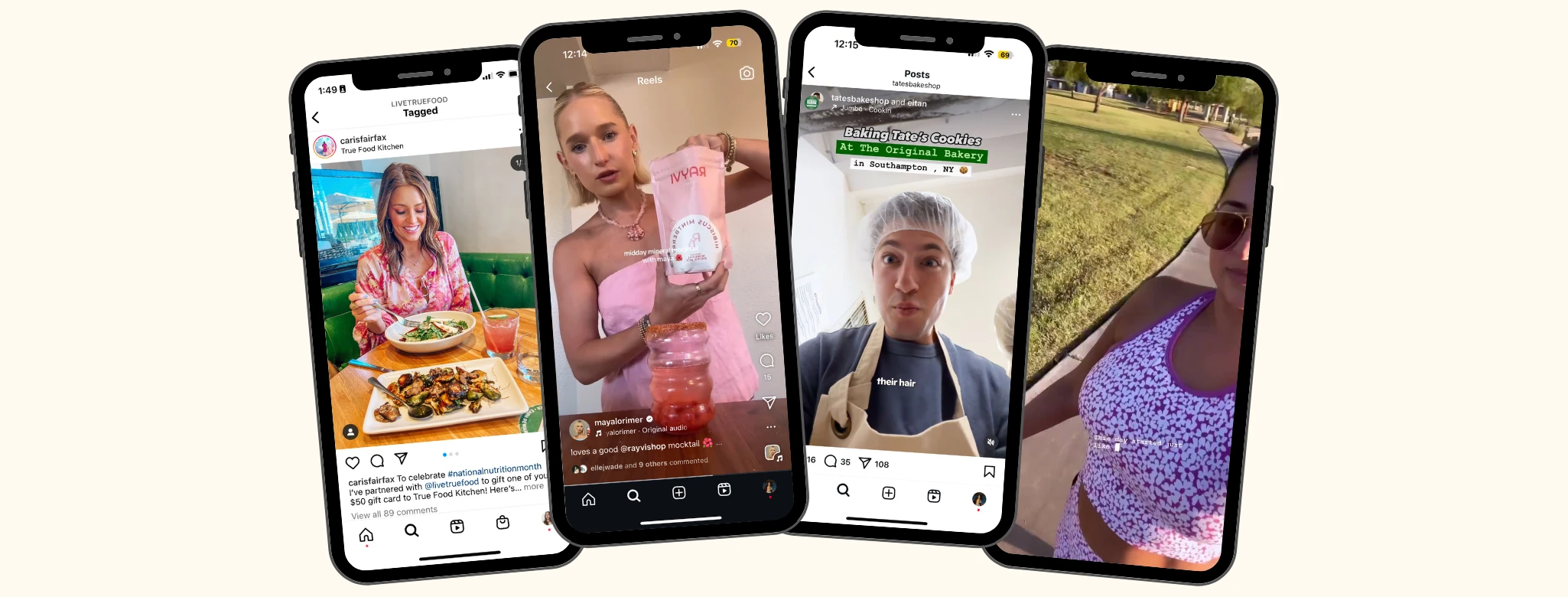
Your influencer just posted the branded Reel you've been planning for weeks. The creative is on point, the engagement is already building, and the campaign dashboard is lighting up.
There's just one problem: the music in that Reel isn't licensed for commercial use. And when the rights holder finds it — which they will — it's your brand that's liable, not the creator.
This is the blind spot that most influencer marketing teams don't see until it's too late.
Why influencer content is a music licensing minefield
Influencers choose music the way most people do — they pick what sounds good, what's trending, or what fits the mood of their content. They scroll through the platform's music library, grab a track, and move on.
That works fine for personal content. Platform music libraries like TikTok's Commercial Music Library and Instagram's Music collection are licensed for personal, non-commercial use. Individual creators can use most tracks without worry.
But the moment a creator publishes content as part of a paid brand partnership, the rules change. That content is commercial. And the vast majority of platform music library tracks are not licensed for commercial use.
The creator may not know this. Your brand team may not know this. But the rights holders who own those tracks absolutely know this — and they have the technology to find every instance of commercial use across every major platform.
The liability sits with the brand
This is the part that catches most marketing teams off guard.
When a rights holder identifies unlicensed commercial use of their music, they go after the party that benefited commercially. In an influencer partnership, that's the brand — not the creator.
It doesn't matter that the creator chose the music. It doesn't matter that your brief didn't specify a track. If your brand name is on the content and you paid for the partnership, you're the commercial beneficiary, and you're the target for enforcement.
This creates a problem that scales with your influencer program. The more creators you work with, the more content is published, and the more music choices are being made without your knowledge or oversight. Every one of those choices is a potential licensing issue attached to your brand.
The scale of the problem
Consider a typical influencer marketing program. You're working with 20 to 50 creators per quarter. Each creator produces two to five pieces of content. That's 40 to 250 posts, each with its own music selection, across multiple platforms.
Now ask yourself: for how many of those posts does your team know exactly what music was used, who owns it, and whether it's licensed for commercial use?
For most brands, the answer is close to zero. There's no process for checking. There's no visibility into what tracks are being used. And there's no system for flagging issues before the content goes live.
It's not negligence — it's just a gap that most teams haven't addressed because the risk wasn't visible until recently. But with identification technology now scanning platforms continuously and enforcement accelerating, that gap is becoming increasingly expensive.
What happens when a track gets flagged
When a rights holder detects unlicensed commercial use of their music, the response typically follows one of these paths.
Content takedown. The platform removes the post. Your campaign loses a piece of content, the engagement data disappears, and your reporting is disrupted. For high-performing posts, this can meaningfully impact campaign results.
Licensing demand. The rights holder or their representative contacts your brand to demand a retroactive licensing fee. These fees are typically much higher than what a proactive license would have cost, because the leverage is entirely on the rights holder's side.
Legal claim. In more aggressive cases — particularly involving major label catalogs or high-profile tracks — rights holders may pursue statutory damages. Under US copyright law, that can mean up to $150,000 per infringed work.
Platform penalties. Repeated copyright strikes can trigger account-level consequences: reduced distribution, restricted features, or in extreme cases, account suspension.
And all of this happens after the content is already live, the budget is already spent, and the campaign is already in market. There's no undo button.
How to fix it
The solution isn't to stop using music in influencer content. Music is essential to how social content works. The solution is to build visibility and process into your influencer workflow so that music licensing is checked before content goes live — not after a rights holder files a claim.
Include music requirements in every brief. Be explicit about what music is and isn't allowed. Specify approved music libraries, require creators to use only tracks with verified commercial licenses, and include music compliance as a deliverable alongside the creative assets.
Scan content before it goes live. When creators submit content for approval, run it through music identification before you sign off. This adds minutes to your review process and can save you thousands in licensing fees and legal costs.
Don't rely on platform libraries. The assumption that "it's in the platform's library so it's fine" is one of the most common and most costly mistakes in influencer marketing. Many platform library tracks are only licensed for personal use. Verify the commercial licensing terms for every track used in branded content.
Monitor published content. Even with a solid pre-publish process, music can slip through — especially in fast-moving campaigns or programs with high creator volume. Ongoing monitoring catches what your review process misses.
Educate your creators. Most influencers don't intentionally use unlicensed music. They simply don't know the difference between personal and commercial licensing. A brief, clear explanation of why this matters — included in your onboarding or partnership agreements — goes a long way.
What this looks like with Trakr
Trakr was built for exactly this scenario. Here's how brands use it to manage music licensing across influencer programs.
Before content goes live, creators submit their deliverables and Trakr scans the audio to identify every track. The scan takes seconds and returns full results — track name, artist, rights holders, licensing status, and whether the usage is cleared for commercial use.
If a track is flagged, your team knows immediately and can work with the creator to swap the music before publishing. No takedowns, no legal letters, no disrupted campaigns.
For content that's already live, Trakr audits your published posts and partner content to identify what music is in your existing catalog — and whether any of it needs attention.
And for ongoing programs, continuous monitoring ensures that every new piece of creator content is checked as it's published, so your team always knows where things stand.
The bottom line
Influencer marketing is one of the most effective channels brands have today. But the music licensing gap in most influencer programs is real, growing, and increasingly enforced.
The brands that build music compliance into their influencer workflow now will avoid the takedowns, legal costs, and campaign disruptions that are hitting brands who don't. And the cost of prevention is a fraction of the cost of reacting after the fact.
Get in touch and we'll run an analysis of your brand's influencer content so you can see where you stand.