Music Tracking on TikTok: What Rights Holders Need to Know
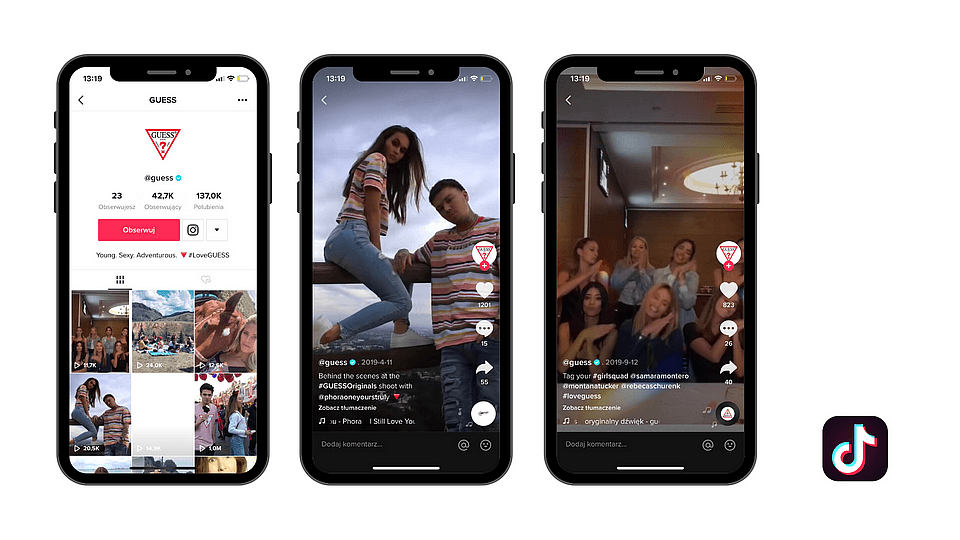
TikTok has become one of the most powerful music platforms in the world. Tracks go viral overnight. Artists break through without radio play. Songs from decades ago resurface and chart again. The relationship between TikTok and music is unlike anything that's come before.
But for rights holders, TikTok creates a visibility problem that's different in kind from anything YouTube, Spotify, or traditional broadcast ever presented. The volume is massive, the usage is often modified, and the rights data attached to that usage is inconsistent at best.
If your catalog is active — and if it's any good, it almost certainly is on TikTok — here's what you actually need to know.
How music works on TikTok
TikTok is built around sound. The platform's design makes music central to content creation in a way that Instagram and YouTube don't. Creators browse sounds, remix them, add them to videos, and share them — and a single track can appear in millions of videos within days of going viral.
There are three ways music ends up on the platform.
TikTok's Commercial Music Library. A licensed catalog of tracks that creators can use in non-commercial content. Rights holders can submit music to this library and receive royalties based on usage. This is the most visible and trackable usage channel.
Original sounds. Creators record or upload audio directly — this includes covers, live performances, mashups, AI-generated tracks, and modified versions of existing recordings. This is where the identification challenge begins, because these uploads don't carry standardized rights metadata.
Unlicensed commercial use. Brands and creators use music in sponsored content, branded campaigns, and paid partnerships without proper commercial clearance. This is the largest and least visible category of rights infringement on the platform.
The visibility gap
TikTok does have music identification technology. It uses a combination of its own systems and third-party identification to match audio against licensed recordings. When a match is found, it can route revenue to the appropriate rights holder — in theory.
In practice, several categories of usage fall through the cracks.
Modified audio. Sped-up tracks — sometimes called "nightcore" edits or simply "sped up" versions — have become one of TikTok's defining audio formats. They're everywhere. And because the speed and pitch have been altered, they frequently evade basic audio fingerprinting systems that rely on exact or near-exact matches. Your track could be used in millions of videos in a modified form and generate no identification, no royalties, and no enforcement action.
Short clips. TikTok content is short. A video might use just five seconds of a track — the most recognizable hook, the drop, the chorus. Short clips are harder to match reliably, and many identification systems set minimum duration thresholds that exclude them.
Covers and compositions. When a creator performs a cover of your song, records their own version, or interpolates your melody into an original track, the recording being used isn't yours — but the composition is. If your identification system only matches recordings, you're missing all composition-level usage. For songwriters and publishers, this represents an enormous amount of undetected usage.
Unlicensed commercial use. Even when a track is identified in branded content, the path from identification to enforcement or licensing is not automatic. Many brands use music in commercial TikTok content without commercial licenses, and without active monitoring, this usage generates nothing for the rights holder.
What the platform does and doesn't do for you
TikTok has licensing agreements with major labels and publishers that cover large portions of their catalogs for general creator use. If you're signed to a major or distributed through a partner with a TikTok deal, some of your usage is covered.
But there are limits.
Platform licensing deals cover general creator usage — not commercial use by brands. They don't cover every territory. They don't cover every catalog. And they don't resolve the identification problem for modified audio, short clips, or composition-level usage.
Independent artists and smaller publishers often don't have the same coverage as major label catalogs. And even major label artists have catalog items — older recordings, legacy acquisitions, niche releases — that aren't fully covered under blanket deals.
The platform also doesn't proactively surface enforcement opportunities to rights holders. If a brand is using your track in a commercial campaign without a license, TikTok's systems aren't going to flag that for you and ask what you'd like to do about it.
The commercial use opportunity
Here's the part most rights holders aren't fully capitalizing on.
Every time a brand uses your music in a sponsored TikTok — an influencer partnership, a branded sound, a product campaign — that's a commercial use that should be licensed. And there's a lot of it.
Brand investment in TikTok has grown dramatically. Influencer marketing on the platform reached new highs in 2025, and music is central to how that content performs. Brands know that the right track makes content work. They're choosing music, often without commercial licenses, and the rights holders aren't seeing a cent of that value.
For rights holders with commercially attractive catalogs — particularly tracks with cultural cachet, trending sounds, or genre-specific appeal to brand audiences — this represents a meaningful revenue opportunity. But you can only pursue it if you know the usage is happening.
What good TikTok monitoring looks like
Effective rights holder monitoring on TikTok requires more than basic audio matching. Here's what matters.
Modified audio identification. Your monitoring technology needs to identify tracks that have been sped up, slowed down, pitch-shifted, or layered with other audio. This is non-negotiable for TikTok, where audio modification is a core part of how the platform works.
Short clip detection. The system needs to work on brief excerpts — not just full tracks playing through a video. If it can't identify five to fifteen seconds of audio reliably, it's missing the majority of TikTok usage.
Composition tracking. Particularly important for publishers and songwriters. Covers, live versions, and original performances of your compositions should be identifiable regardless of who recorded them.
Commercial use flagging. Not all usage carries the same rights implications. Monitoring should distinguish between general creator usage and commercial brand usage — because the licensing and enforcement implications are different.
Real-time results. TikTok moves fast. A track can go from zero to ten million videos in 48 hours. Monitoring that delivers data weekly or monthly is too slow to capitalize on viral moments or catch commercial infringement before it's been running for months.
Turning visibility into action
Knowing where your music is being used is the starting point. What matters is what you do with that information.
Pursue commercial licenses proactively. When you identify a brand using your catalog in commercial TikTok content without a license, you have grounds to approach them for licensing. Having the identification data — the specific content, the account, the usage details — gives you the evidence and the leverage to have that conversation.
Strengthen your platform negotiations. Usage data across TikTok gives you real leverage when negotiating or renewing licensing agreements with the platform. If you can demonstrate the volume and commercial value of your catalog's usage, you're negotiating from a position of knowledge rather than guesswork.
Identify catalog with commercial momentum. The tracks getting traction on TikTok aren't always the ones you'd expect. Usage data reveals which parts of your catalog are generating cultural interest — information you can use to prioritize sync pitching, promotion, and commercial outreach.
Protect against unauthorized modified versions. AI-generated and heavily modified versions of popular tracks are increasingly common. Monitoring that catches these gives you the ability to enforce against uses that go beyond fair use or platform licensing coverage.
The bottom line
TikTok is too important to monitor passively. The platform drives music discovery, shapes commercial trends, and generates enormous usage of rights holder catalogs — most of which isn't fully visible to the rights holders it belongs to.
The gap between actual TikTok usage and what rights holders can currently see represents real money: uncollected licensing fees, missed enforcement opportunities, and commercial uses that are generating value for brands without compensation to the catalog owners who made those tracks possible.
Closing that gap starts with the right identification technology.
Get in touch to see how Trakr monitors your catalog across TikTok and the rest of the social media landscape.